Before every ride: A-B-C
A simple memory aid for day-to-day riders. If anything feels off, slow down and address it before a longer route.
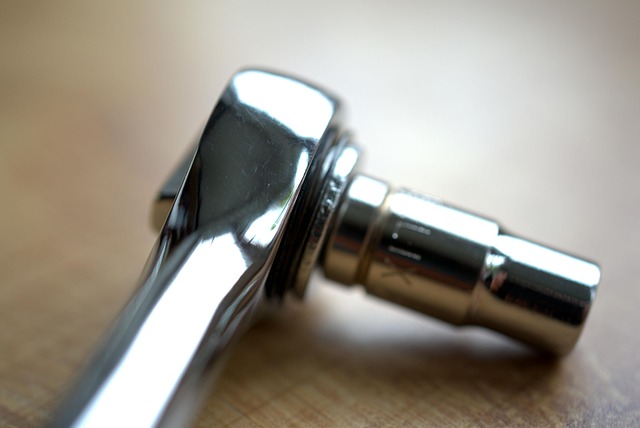
Maintenance that supports confidence
Good maintenance is not about perfection. It is about reducing surprises so your ride feels predictable. For beginners, the most helpful mindset is: learn what “normal” feels like, then notice when something changes. A small change in braking feel, a new clicking sound under load, or tyres that lose air quickly are useful signals. They tell you it is time for a simple adjustment, a clean, or a workshop visit.
This page is intentionally practical. We cover tyre care, braking basics, drivetrain hygiene, and the parts that commonly loosen over time. We also explain how to speak with a workshop: what to describe, what questions to ask, and how to understand a service summary. The goal is not to turn every rider into a mechanic, but to help you be informed, safe, and comfortable.
Tyres and pressure
Most everyday discomfort comes from tyre setup. Learn how pressure affects grip and comfort, how to spot small cuts, and why consistent pressure checks reduce punctures.
Quick habit: check pressure with a gauge weekly, and before longer rides. If you are unsure about target pressure, ask a workshop based on your tyres and typical routes.
Brakes and control
Brakes should feel smooth and predictable. We explain basic pad wear, common rubbing causes, and what “spongy” or “gritty” lever feel can indicate.
Safety note: if your lever pulls to the bar, your brakes squeal loudly after a fall, or stopping distance suddenly increases, reduce riding and seek professional help.
Chain and shifting
A clean, lightly lubricated chain supports smoother shifting and quieter rides. Learn a simple wipe-down routine and how to recognise a chain that is too dry or too oily.
Helpful language for a workshop: describe when the noise happens, which gears are affected, and whether it started after rain, cleaning, or a pothole impact.
Fit and contact points
Saddle height, handlebar reach, and grip setup influence comfort. We cover simple adjustments and when pain or numbness suggests you should pause and seek guidance.
Small changes matter. Make one adjustment at a time and take a short ride to test, rather than changing multiple things at once.
Maintenance guidance here is educational. If you are uncertain about a safety-critical part, choose a reputable workshop. It is normal to ask questions and request a simple explanation of what was adjusted.
What to expect from a workshop service
Workshops vary, but the best experiences tend to share the same basics: clear communication, an honest overview of wear, and a safe, tidy setup. Use these points to understand typical service steps and to ask informed questions.
A practical intake conversation
A good workshop will ask how you ride and what you have noticed. You can help by sharing: how often you ride, whether your routes are mostly city streets or countryside lanes, and what changed recently. If a noise appears only under load, or only in one gear, mention that. If you have had a fall or hit a pothole hard, include that too. These details save time and improve the result.
- “The rear brake started rubbing after last weekend’s rain.”
- “Shifting skips when I push harder in the middle gears.”
- “The steering feels slightly loose on descents.”
- Key for any wheel lock or accessory
- Details of recent parts replaced
- Your typical ride distances and terrain
Typical service checks (high level)
Many services include a safety inspection, adjustment of brakes and gears, tyre and wheel checks, and a review of drivetrain condition. Some services include cleaning and lubrication, while deeper work may be quoted separately. If you are unsure, ask the workshop to explain which items are included and which are optional.
Bolts, bearings, headset play, wheel security, brake function, and obvious wear points. This is about preventing unsafe surprises.
Brake alignment and tension, gear indexing, and small fixes that restore a smooth feel. Small adjustments can make a big difference.
Ask for a simple summary: what was adjusted, what is worn, and what can wait. A clear list helps you plan future maintenance and makes follow-up visits easier.
When to pause riding and seek help
Some issues should not be “ridden through”. If you notice sudden loss of braking power, a wheel that wobbles significantly, a crack in a rim, or a steering system that feels loose, stop and seek professional assistance. In Ireland’s mixed weather, corrosion and wear can appear gradually, so a regular check helps you avoid urgent problems.
- Brake lever pulls too far or feels inconsistent
- Tyre bulge, exposed threads, or repeated fast punctures
- Wheel rub that appears suddenly after an impact
- Chain skipping under load
- Grinding from bearings or pedals
- Persistent creaks that repeat every pedal stroke