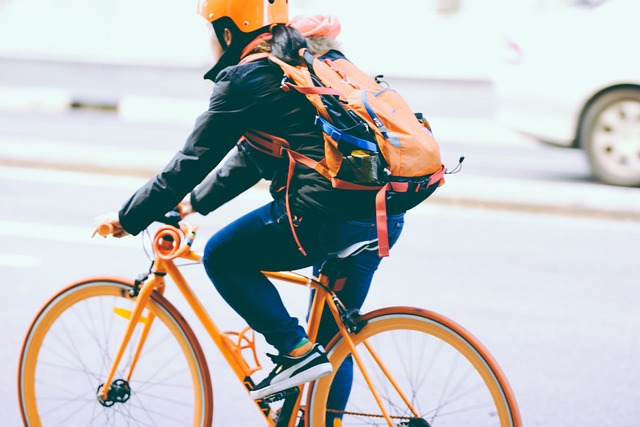
What is the safest way to restart cycling if I have not ridden in years?
Start with a short, familiar route where you can ride without pressure. Check that your brakes and tyres feel solid, set your saddle height so your legs can work comfortably, and practice smooth stops and starts. The first goal is confidence and control, not distance. If the bike has been stored for a long time, consider a basic workshop check so you can trust the brakes, tyres, and chain.
How do I choose a beginner-friendly route in a city or town?
Look for quieter streets, routes with fewer complex junctions, and segments with lower speed limits. If possible, use greenways, parks, or waterfront paths to build comfort before mixing with heavier traffic. A good beginner route includes natural regroup points such as a café, a small square, or a safe place to stop and reset. If you are unsure, start with a simple loop that brings you close to home.
What should I check before every ride?
Keep it simple: tyres feel firm and do not look cracked, brakes engage smoothly and stop the wheel, and the chain does not sound dry or rough. Confirm that your wheels are secure and your handlebars feel tight. If you ride near dusk or in rain, check your lights. These basic checks take a minute and often prevent bigger problems later.
How do I know if my bike needs a workshop service?
Common signs include brakes that feel weak or spongy, gears that skip under gentle pedalling, persistent squeaks, or a chain that looks rusty and runs noisily even after cleaning. If tyres lose pressure quickly or you notice wobble in a wheel, it is worth having it assessed. A workshop can also help with bike fit, which improves comfort on longer café rides and casual commutes.
What is a realistic pace expectation on a community ride?
A welcoming community ride typically states the expected pace, distance, and whether the group regroups at set points. A beginner-friendly ride often prioritises steady movement, clear communication, and no pressure to sprint. If you are unsure, choose a ride that describes itself as social or introductory and ask what to expect, including hills, surfaces, and café timing.
What is good café etiquette when arriving with a bike?
Park and lock your bike thoughtfully, keeping doorways and walking paths clear. If you are in a group, agree a meeting point so the entrance stays calm. Avoid bringing muddy tyres inside unless the café clearly welcomes bikes indoors. Order efficiently, be considerate with helmets and gloves on tables, and leave space for other customers. Café culture works best when cyclists add to the relaxed atmosphere.
What should I carry for a short ride that includes a café stop?
A lock is the main item. Add a small pump, a spare tube, tyre levers, and a basic multitool if you have them. Bring lights for visibility and a layer for changing weather. If you are new, keep it minimal and build your kit gradually as you learn what you actually use.
Do I need special clothing to start cycling?
Not necessarily. Comfortable clothing that allows free movement is usually enough for short rides. A helmet is widely recommended, and a waterproof or windproof layer is helpful in Ireland. Over time, you may choose cycling-specific items for comfort, but you can begin with what you have and focus on safe habits, visibility, and bike setup.
How can I improve visibility without making things complicated?
Use front and rear lights when conditions are dim, wet, or changeable. Choose clothing with some reflective detail or add a reflective band. Ride predictably, signal clearly, and avoid sudden swerves. Visibility is not only about what you wear, it is also about giving others time to understand what you plan to do.
Where can I learn more about cookie choices and privacy?
Visit our
Privacy page for details about cookie categories, analytics and advertising tools, and how to manage your preferences. You can reopen the cookie panel at any time using the footer link labeled “Manage cookie preferences”.